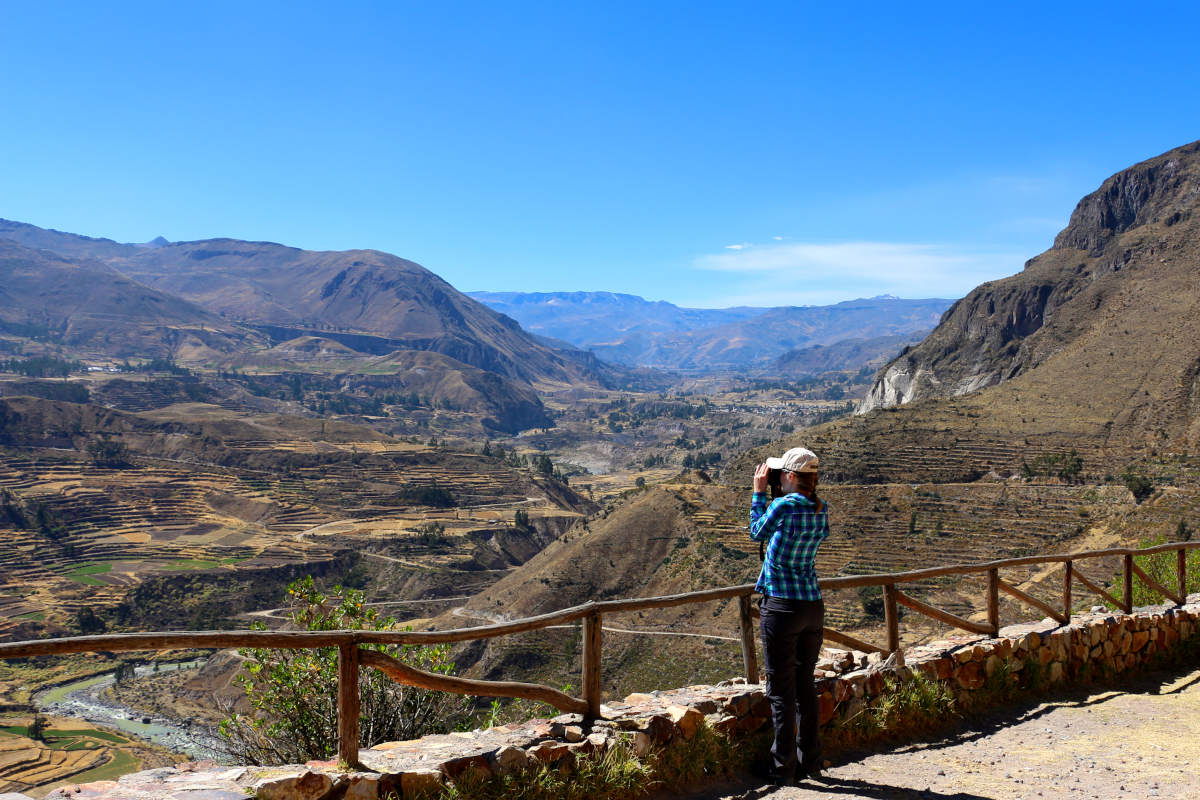
Colca Canyon Full day + Transfer to Puno
Arequipa · Chivay · Cruz del Cóndor · Puno

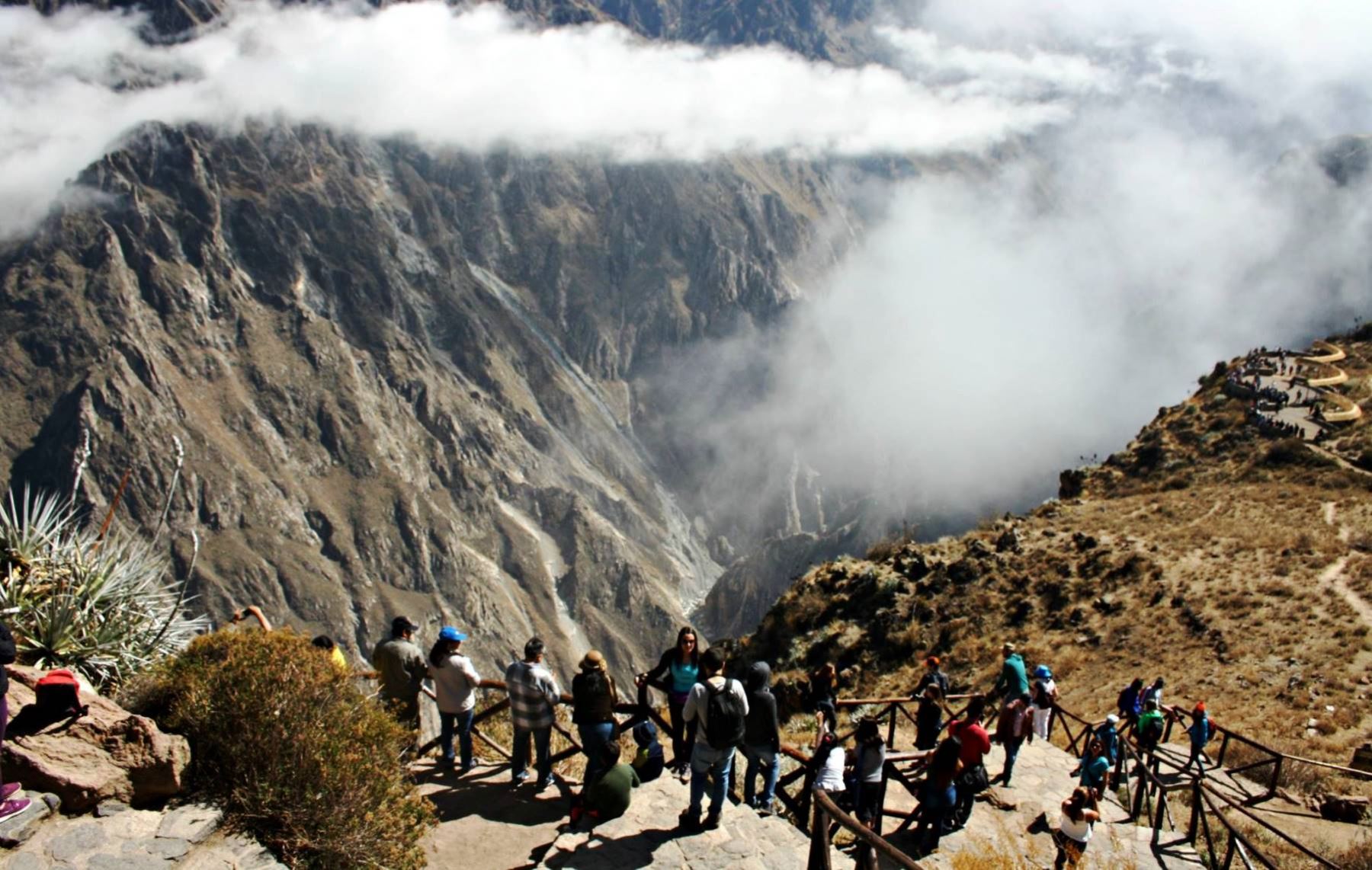
Explore the "White City," built of volcanic ashlar at the foot of Mount Misti, and descend into the Colca Canyon—one of the deepest canyons on the planet—where the Andean condor soars right before your eyes.
Arequipa · Chivay · Cruz del Cóndor · Puno
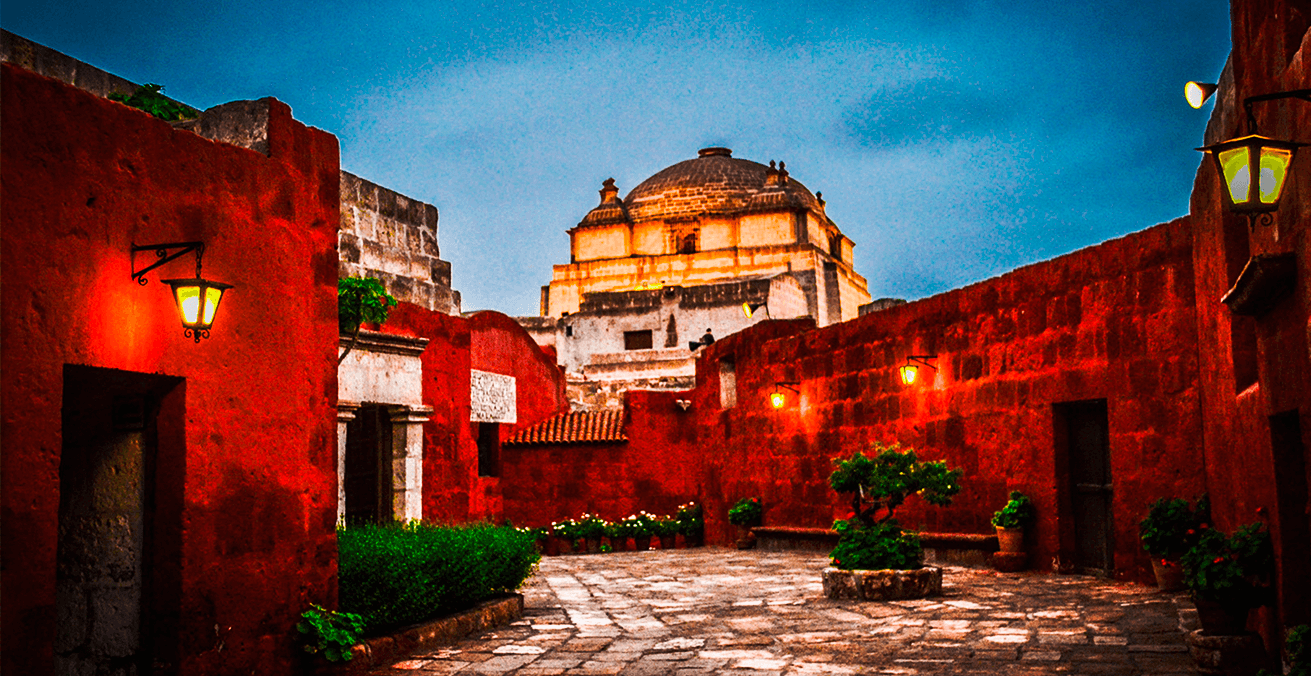
Arequipa · Plaza de Armas · San Lázaro · Santa Catalina
Arequipa · Chivay · Cruz del Cóndor · Yanque · Arequipa
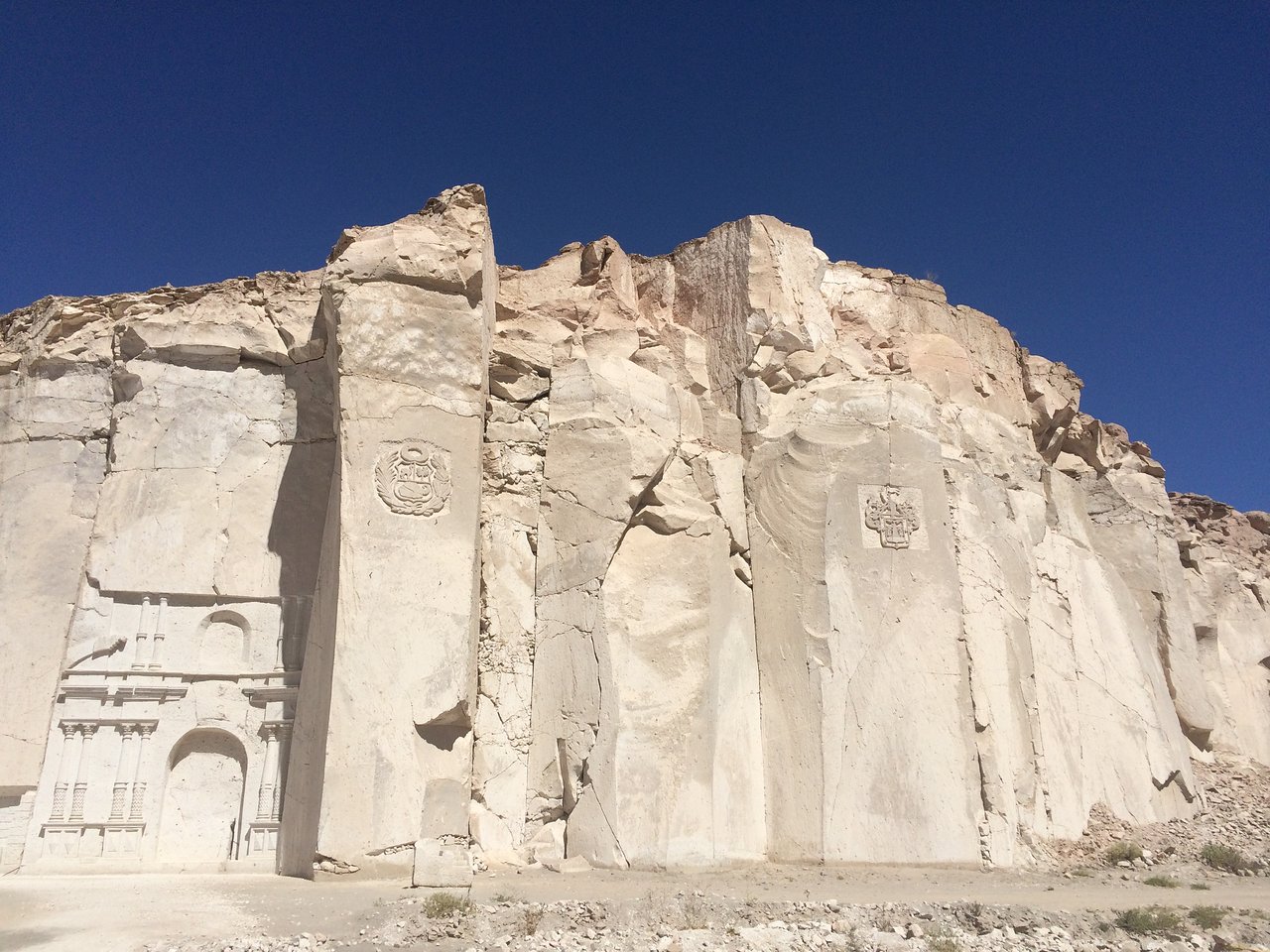
Arequipa · Sillar Quarries · Culebrillas · Arequipa
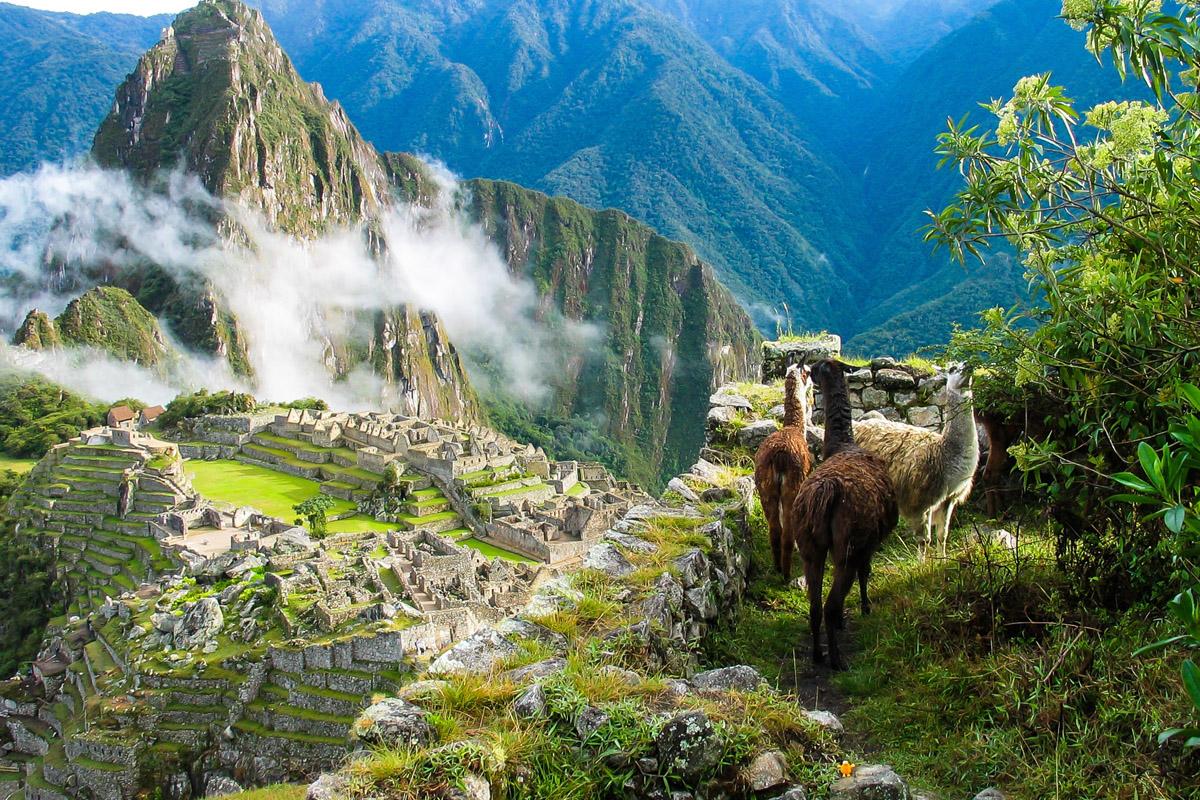 20 days, 19 nights
Ideal for: Travelers looking for a comprehensive tour of Peru that combines culture, nature, and hiking in the Andes.
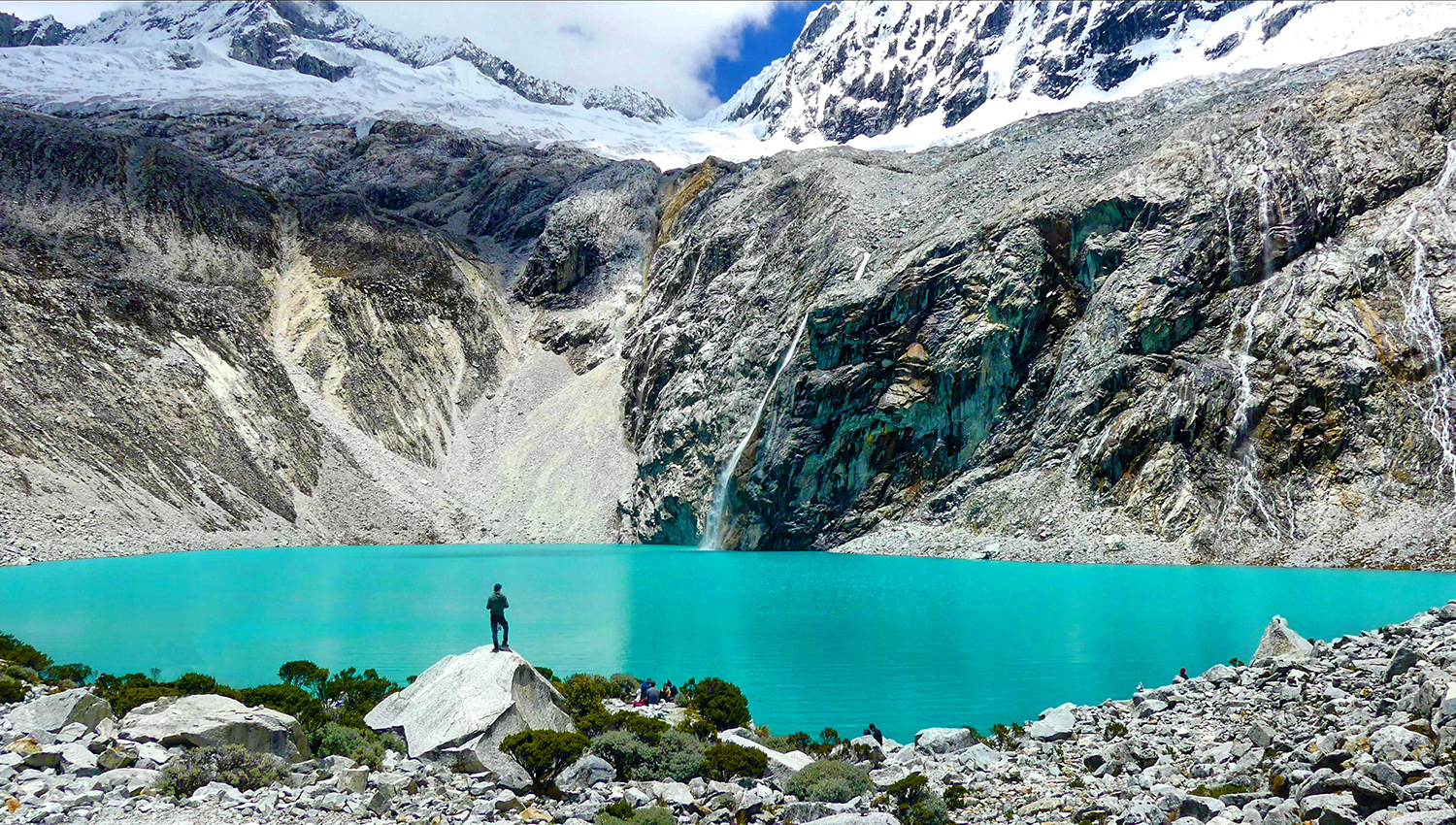 15 days, 14 nights
Ideal for: Travelers who want to combine culture with the landscapes of the Andes
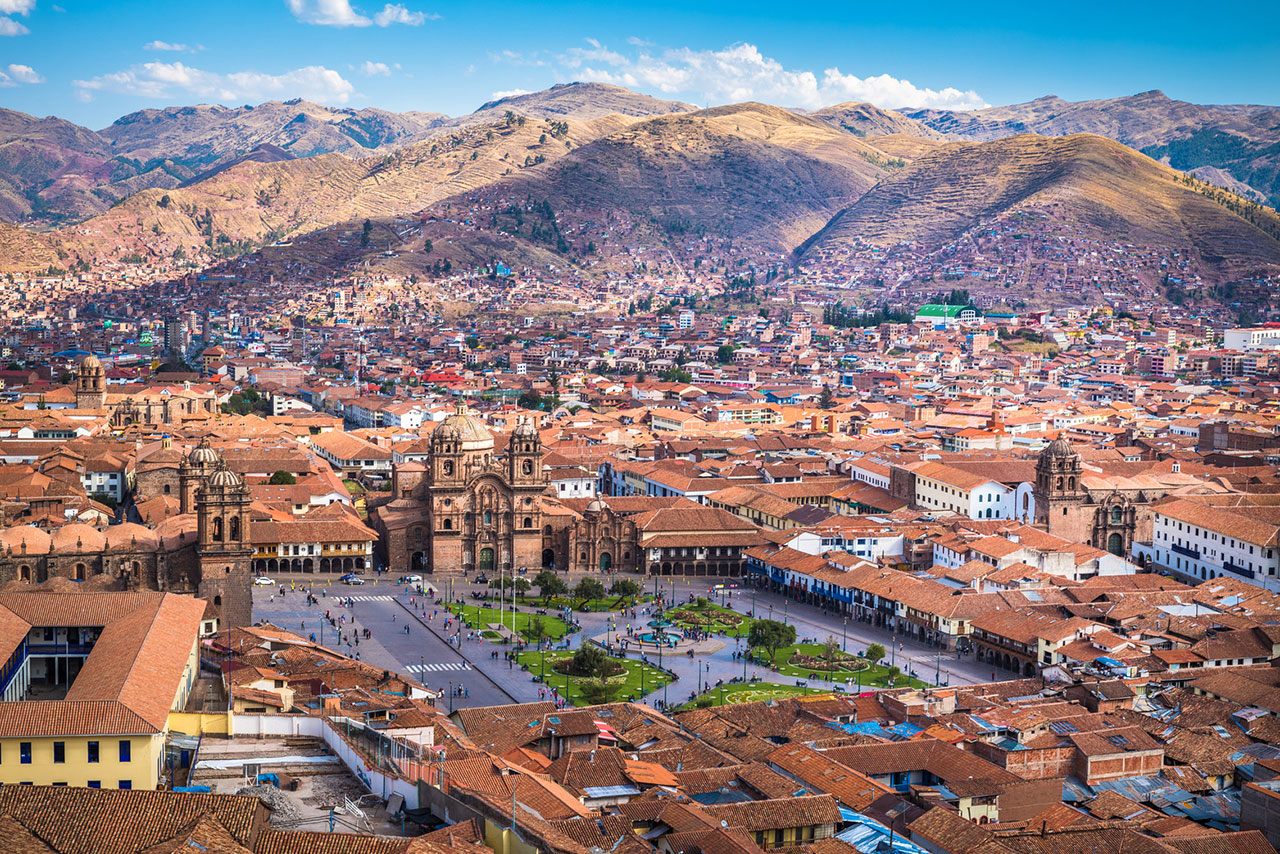 11 days, 10 nights
Ideal for: Travelers looking for a cultural tour of southern Peru
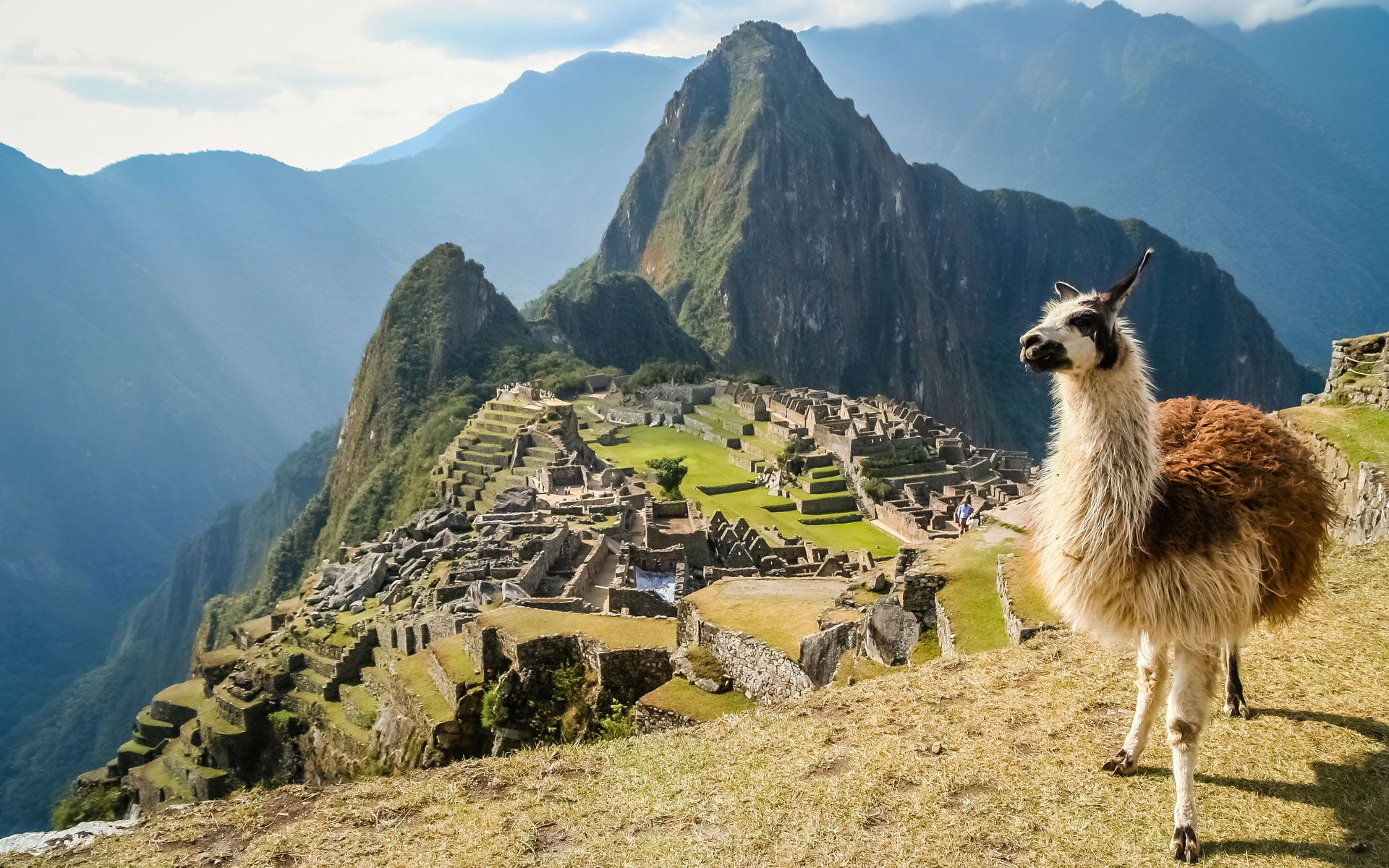 14 days, 13 nights
Ideal for: Travelers looking for a comprehensive cultural tour of the south
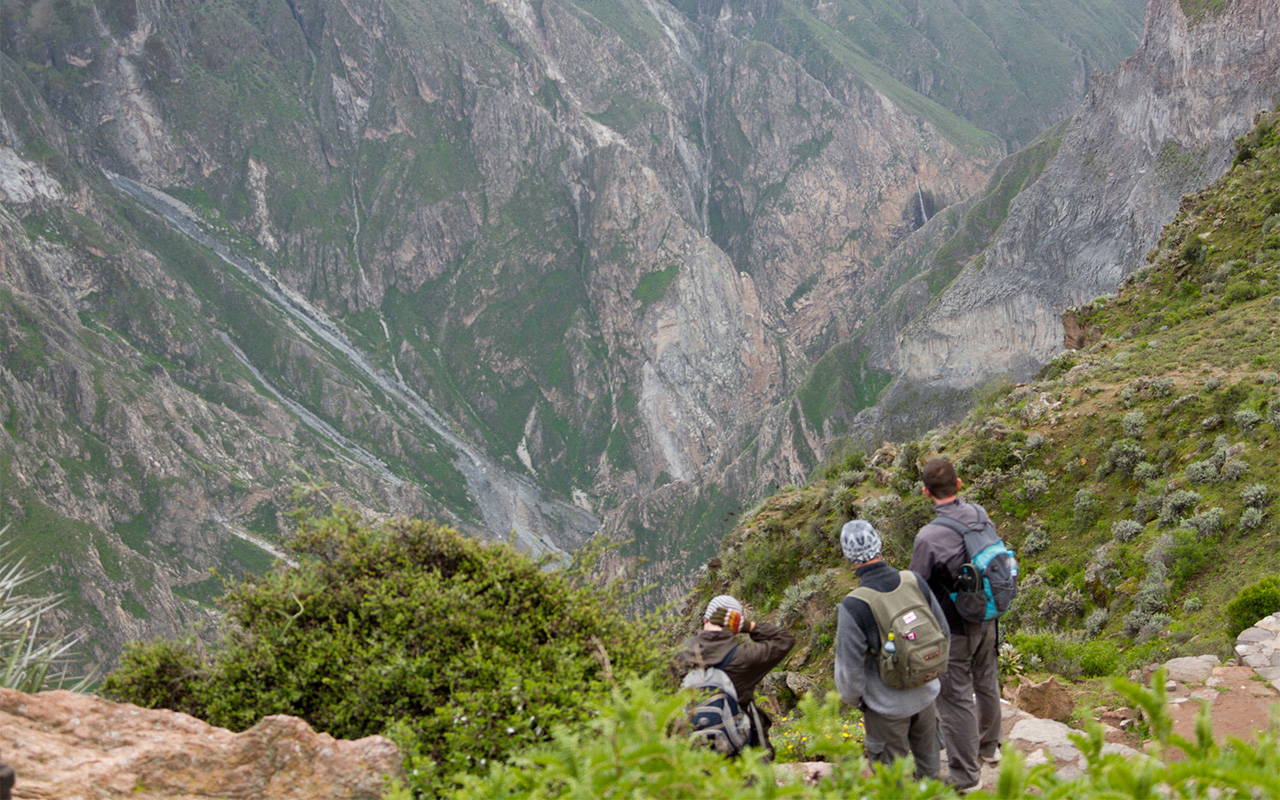 3 days, 2 nights
Arequipa and Colca
Ideal for: Hiking enthusiasts and those who love canyon scenery
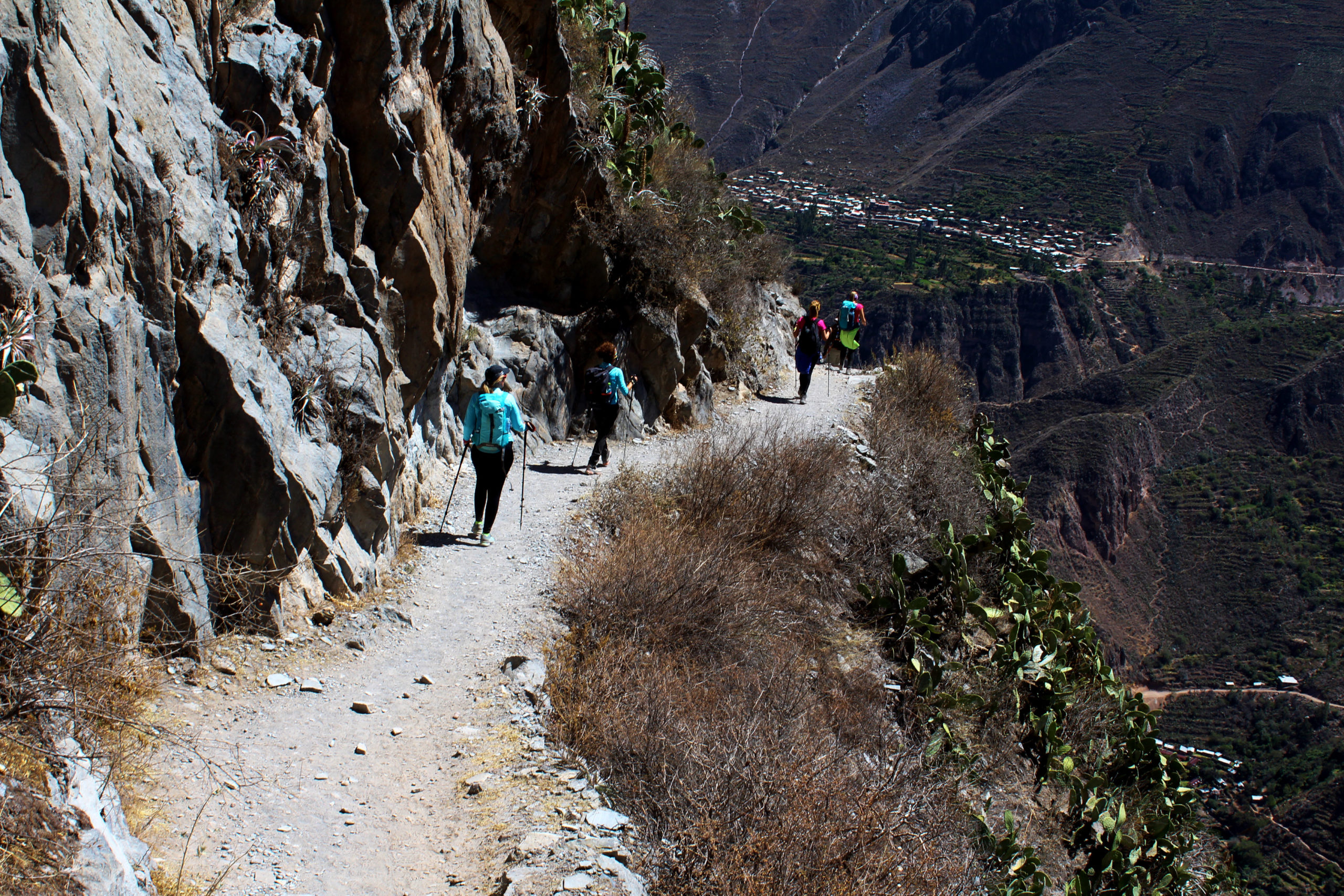 2 days, 1 night
Arequipa and Colca
Ideal for: Travelers looking for a challenging trek in the Colca Canyon
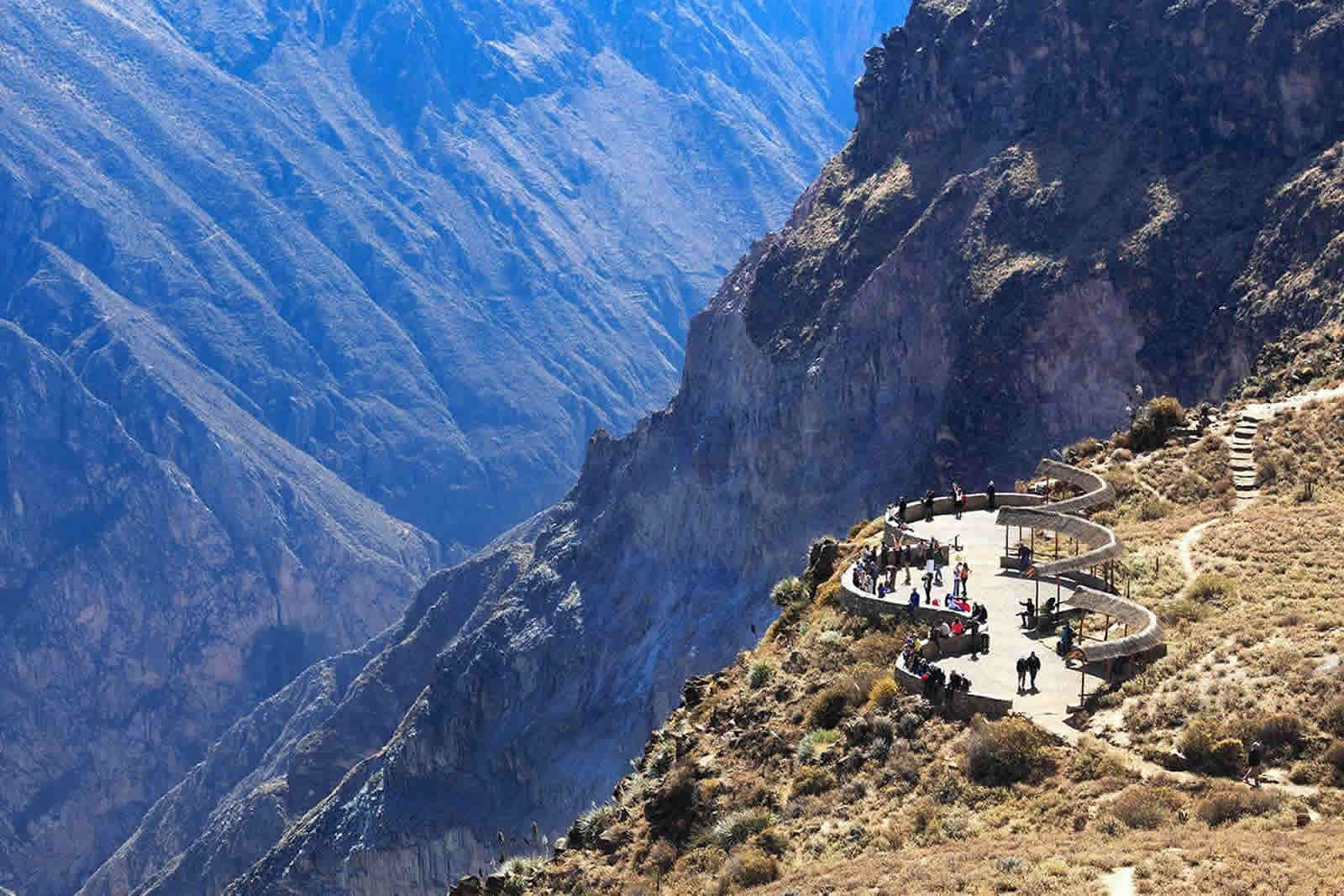 2 days
Arequipa and Colca
Ideal for: Travelers who prefer a scenic tour that includes a hotel stay
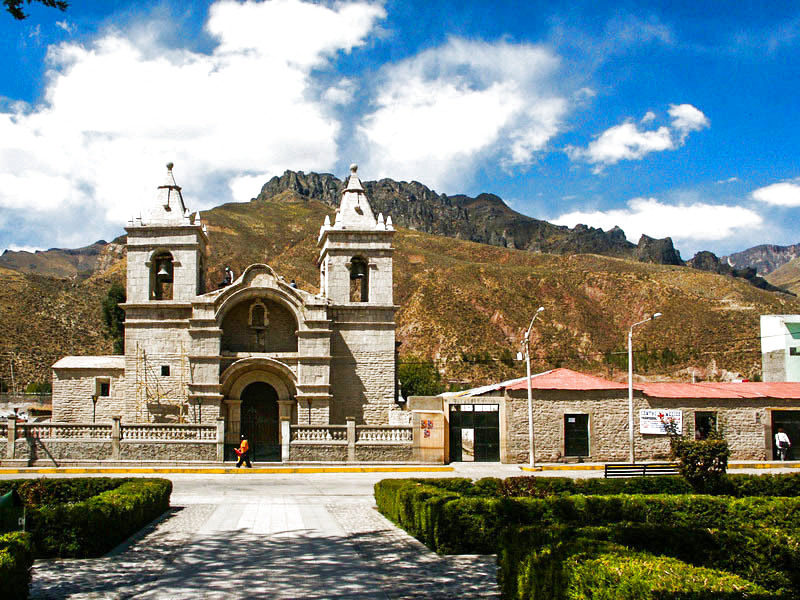 2 days
Arequipa and Colca
Ideal for: Travelers continuing on from Arequipa to Lake Titicaca
Daily direct flights. By car, the trip takes more than fifteen hours.
On to Chivay, crossing the Salinas y Aguada Blanca Reserve, with vicuñas along the way.
A common route for exploring southern Peru, including Lake Titicaca and Cusco.
The dry season runs from April to November, with sunshine almost every day and clear skies: this is the best time of year to visit both the city and the canyon. From December to March, it rains—especially in the afternoon—and some sections of the hiking trails become slippery. Arequipa has one of the most pleasant climates in Peru, with more than 300 days of sunshine a year and temperatures ranging from 10 °C to 24 °C, although the sun’s rays are intense due to the city’s elevation of 2,335 meters. To see condors at Cruz del Cóndor, it’s best to arrive early: they take flight as the morning thermal currents rise.
Three days is a reasonable amount of time: one for the city and two for the canyon, with an overnight stay in Chivay or at the bottom of the canyon. You can visit the Colca Canyon in a single day from Arequipa, but that means leaving at dawn and returning at night.
There's no guarantee—they're wild animals. Your chances are high if you arrive between 8 and 10 a.m., when they soar using thermal currents, and they're even better during the dry season.
The descent is long but manageable. The challenge lies in the return climb: three to four hours of continuous ascent at high altitude. You can hire a mule for the ascent.
Arequipa is at an elevation of 2,335 meters and is easy to acclimate to, but Chivay is at 3,635 meters and the mountain pass exceeds 4,900 meters. It’s a good idea to spend at least one day in Arequipa before heading up into the canyon.
It is a white, porous, lightweight volcanic rock formed by eruptions from nearby volcanoes. The historic center was built with this rock, which is why Arequipa is known as the "White City."
Arequipa lies at an elevation of 2,335 meters at the foot of three volcanoes: El Misti, El Chachani, and El Pichu Pichu. Its historic center, designated a World Heritage Site, is built of sillar, a white volcanic stone that earned the city the nickname “the White City” and defines the appearance of its churches and mansions. The jewel of the city is the Santa Catalina Monastery, a 16th-century religious citadel with its own streets and plazas, painted in indigo and ochre.
A three-and-a-half-hour drive away lies the Colca Canyon, which is 3,270 meters deep—almost twice as deep as the Grand Canyon. The Cruz del Cóndor overlook is the most visited spot: there, Andean condors soar on the morning thermal currents and often fly just a few meters away from visitors. The valley is home to pre-Hispanic agricultural terraces that are still in use, as well as colonial towns such as Chivay, Yanque, and Maca.
Those looking for a more active experience hike down to the bottom of the canyon on two- or three-day treks, spending the night at the Sangalle oasis, and return via a continuous climb lasting several hours.
Arequipa is also home to one of the country’s most renowned regional cuisines, served in traditional picanterías: stuffed rocoto, Arequipa-style adobo, and shrimp chupe. The weather is pleasant almost year-round, with more than 300 days of sunshine and a dry season that runs from April to November.
Book now and receive personalized advice to help you choose the perfect experience in Paracas and southern Peru.
Book via WhatsApp nowRegistered and regulated travel agency