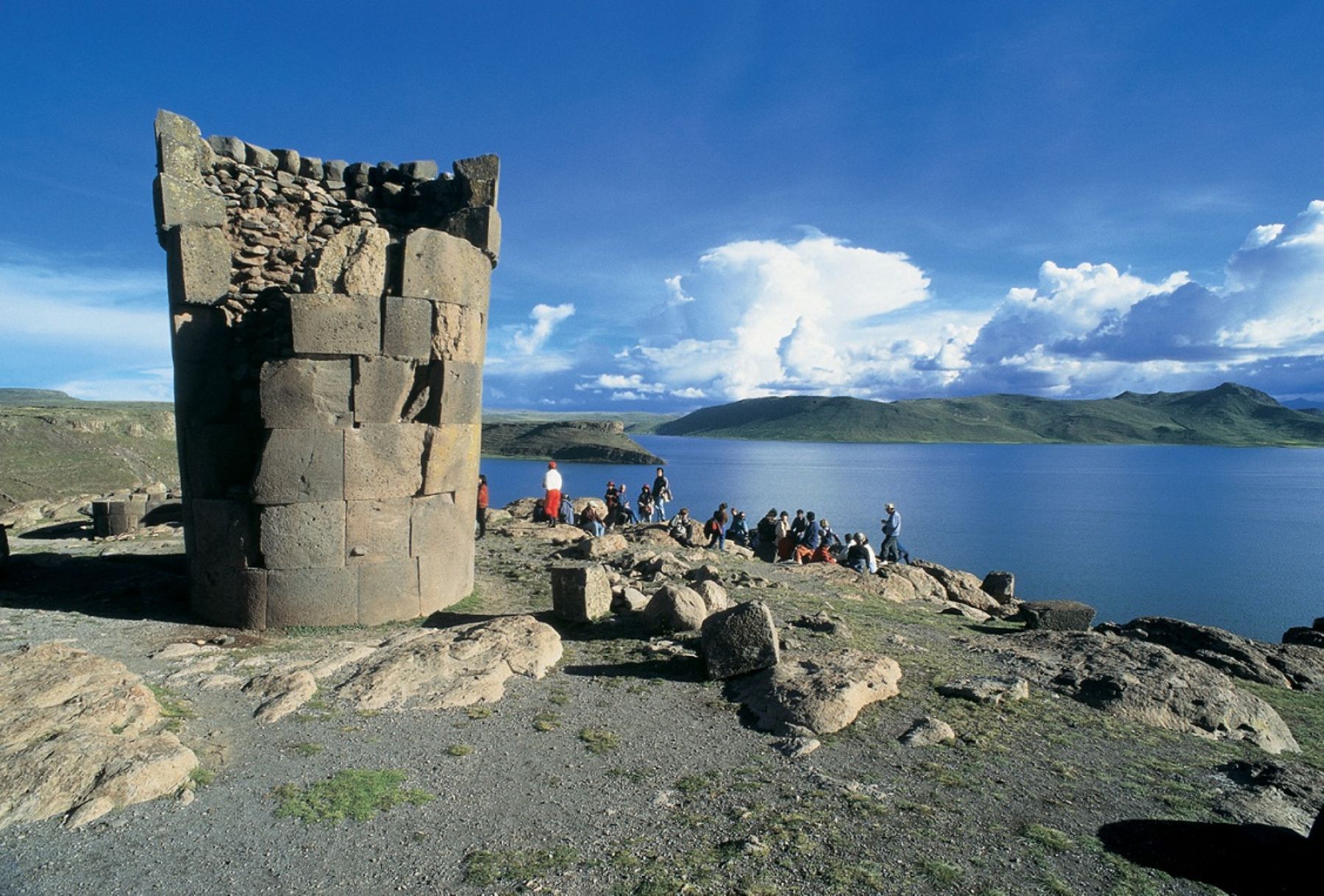
Chullpas of Sillustani
Puno · Sillustani · Lake Umayo · Puno

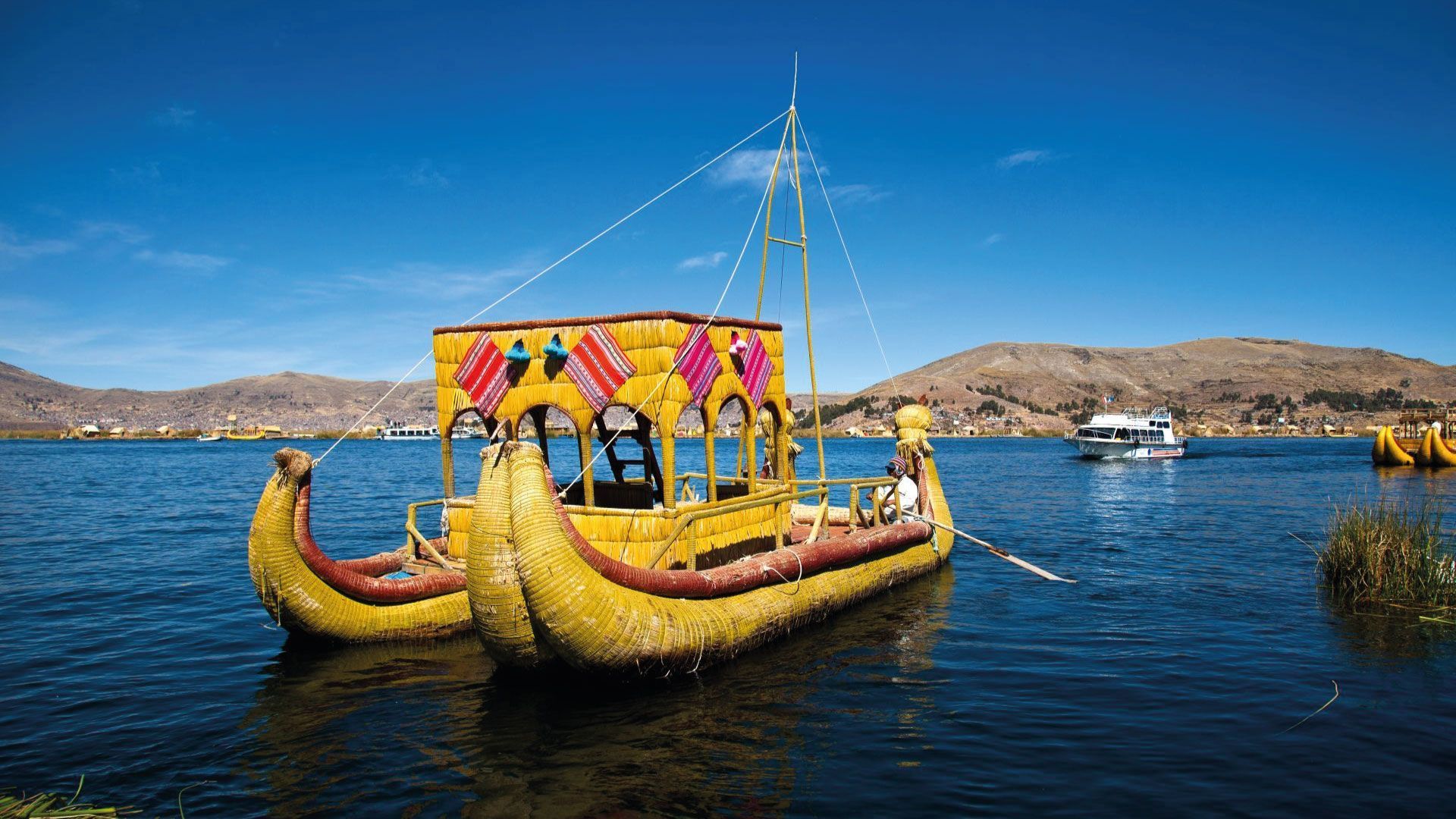
Sail on the world's highest navigable lake, walk on the Uros's totora reed islands, and experience daily life in the communities of Taquile and Amantaní, at an elevation of 3,812 meters.
Puno · Sillustani · Lake Umayo · Puno
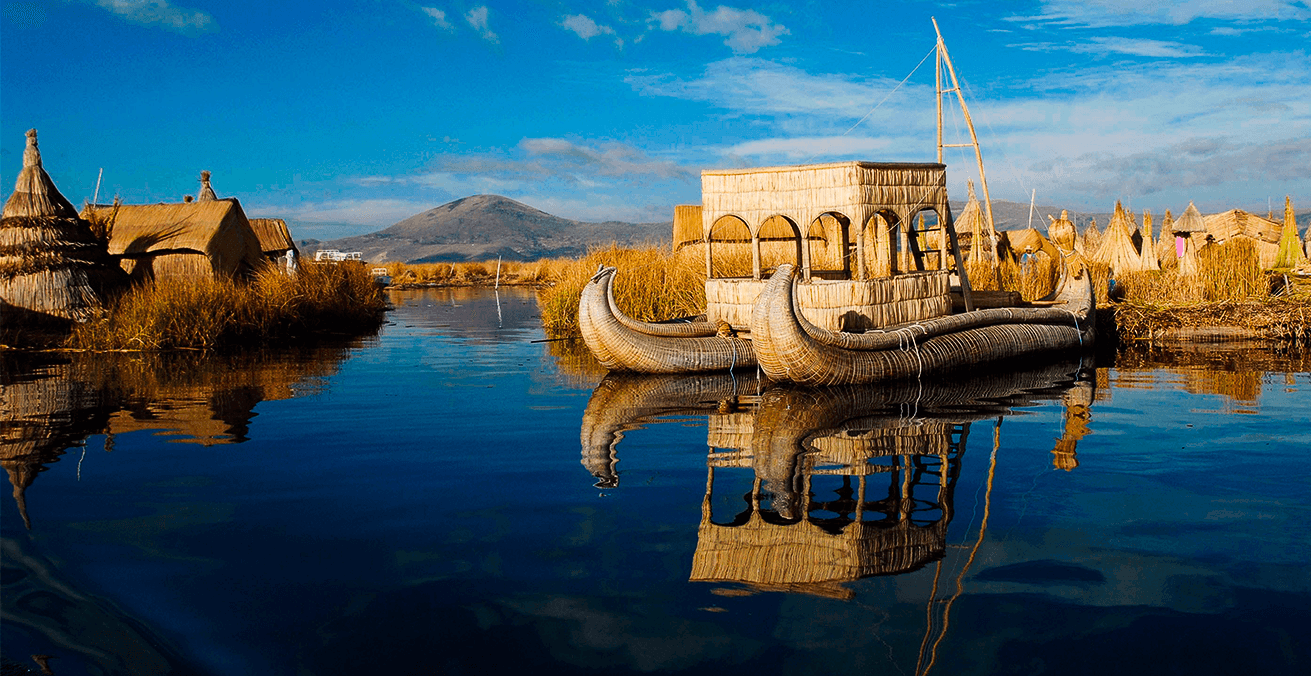
Puno · Lake Titicaca · The Floating Islands of the Uros
Puno · Uros Islands · Taquile Island · Puno
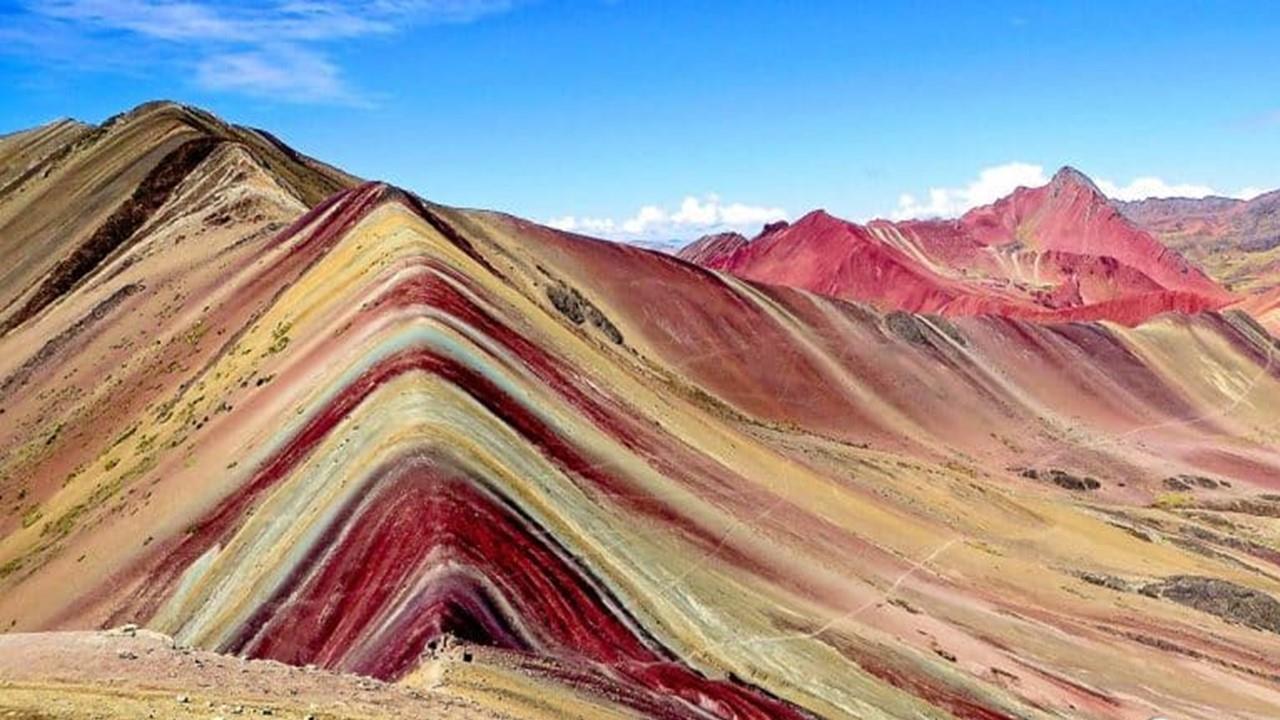 7 days, 6 nights
Ideal for: Travelers who want to combine city sightseeing, Inca heritage, and Andean landscapes in one week.
 20 days, 19 nights
Ideal for: Travelers looking for a comprehensive tour of Peru that combines culture, nature, and hiking in the Andes.
 15 days, 14 nights
Ideal for: Travelers who want to combine culture with the landscapes of the Andes
 11 days, 10 nights
Ideal for: Travelers looking for a cultural tour of southern Peru
 14 days, 13 nights
Ideal for: Travelers looking for a comprehensive cultural tour of the south
 2 days
Puno and Lake Titicaca
Ideal for: Travelers interested in local culture and experiential tourism
Sun Trail with stops in Andahuaylillas, Raqchi, and La Raya Pass, at 4,335 meters.
Daytime and nighttime services on paved roads.
Flight to Juliaca, followed by a one-hour drive to Puno.
The dry season runs from May to October, with sunny days, very clear skies, and very cold nights: in June and July, the temperature can drop below zero degrees in the early morning. This is the best time for boating, because the lake is calm and visibility is excellent. From November to March, it rains in the afternoon and the landscape turns green, with somewhat milder temperatures at night. In February, the Festival of the Virgin of Candelaria is celebrated—Peru’s largest folk festival, featuring thousands of dancers over the course of two weeks.
The full-day tour visits the Uros and Taquile islands and returns to Puno in the afternoon. The two-day itinerary includes an overnight stay in Amantaní with a local family, which is the part most appreciated by those seeking experiential tourism.
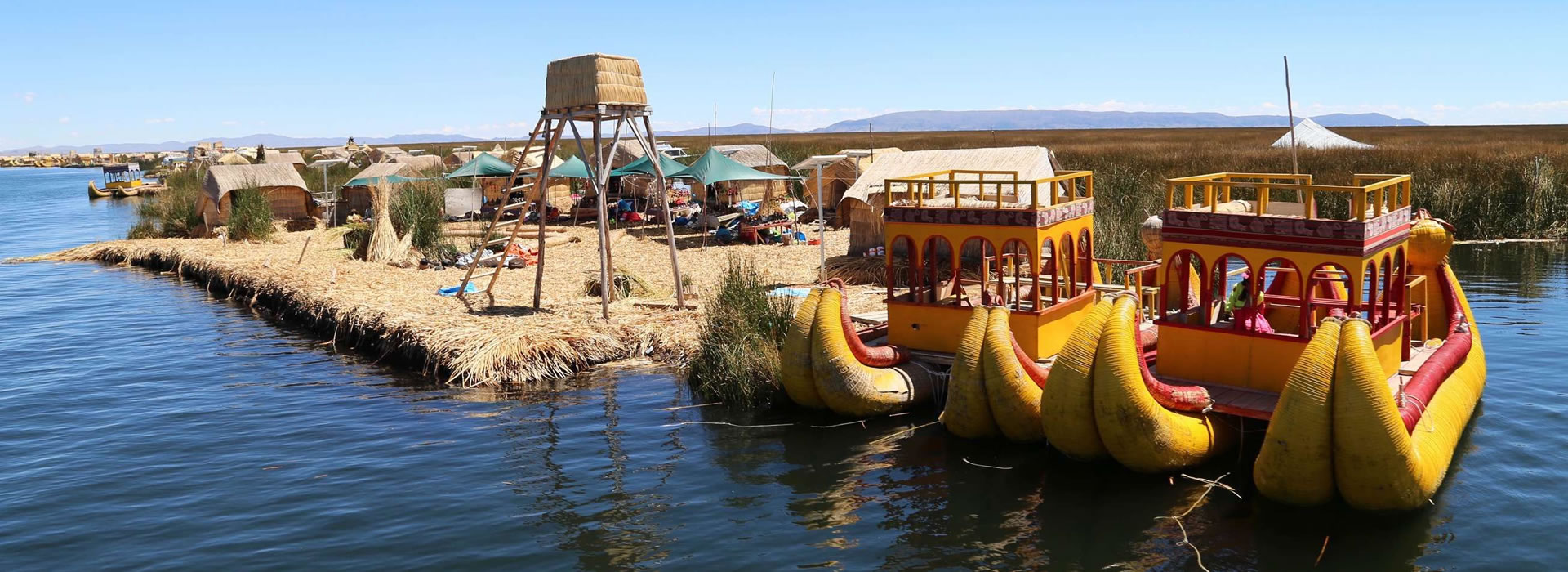
These are platforms made of layers of totora, an aquatic plant found in the lake, anchored to the bottom and constantly replaced because the base rots in the water. Families live on them in houses made of the same material.
At night, yes, all year round. Puno is at an elevation of 3,827 meters, and in winter the temperature drops below zero in the early morning, although it’s pleasant during the day when the sun is out. Be sure to bring a real coat, not just a light jacket.
You'll stay at the home of a local family, in a simple room with beds and plenty of blankets, usually without heat or hot water. Dinner and breakfast are shared with the family.
Yes, because Puno is about 400 meters higher. If you're coming from sea level, it's a good idea to acclimate first—ideally by stopping in Cusco or Arequipa on the way.
Lake Titicaca is the highest navigable lake in the world: 8,400 square kilometers of water at 3,812 meters above sea level, shared between Peru and Bolivia. Puno, on the Peruvian shore, serves as a base for exploring the lake and is considered the country’s folkloric capital.
The lake is best known for the floating islands of the Uros, platforms built entirely of totora, the aquatic plant that grows along the shores. The families who live there constantly replace the top layers, because the base that comes into contact with the water decomposes. This way of life originated from the need to seek refuge from more powerful peoples by moving across the water.
Further inland lie Taquile and Amantaní, two islands connected to the mainland and inhabited by Quechua communities. Taquile is famous for its textile art, which has been designated an Intangible Cultural Heritage of Humanity: there, the men weave, and the hats they wear indicate whether they are single or married. Amantaní offers experiential tourism, with accommodations in homestays and a hike up to the temples of Pachamama and Pachatata at sunset.
On land, the chullpas of Sillustani feature pre-Inca funerary towers up to twelve meters tall. The dry season, from May to October, offers the clearest skies; in February, the Festival of La Candelaria fills the city with dancers for two weeks.
Book now and receive personalized advice to help you choose the perfect experience in Paracas and southern Peru.
Book via WhatsApp nowRegistered and regulated travel agency